
Natural menthol is an agricultural product. Every kilogram starts with a smallholder in western Uttar Pradesh, and the economics of that farmer decide how much natural mint the world has to buy. This guide draws on what our team sees on its field visits every season.
Where the world’s mint grows
Uttar Pradesh grows most of the world’s Mentha arvensis, the cornmint that natural menthol is made from, along with much of India’s peppermint and spearmint. The crop is grown by thousands of small farmers, in districts such as Sambhal, Kasganj, Barabanki and Ambedkar Nagar where our procurement zones are, and distilled in small units in or beside the fields.
The season
Mint is planted in late winter and harvested in early summer. Heat matters: a hot, dry run-up to harvest, with daily highs of 43–45°C, tends to raise the oil yield, while rain on harvested or ready-to-cut plants lowers it. In the 2023 season, farmers in our region reported average yields of around 65–70 kg of oil per acre, falling for crops cut after the rains.
From field to oil
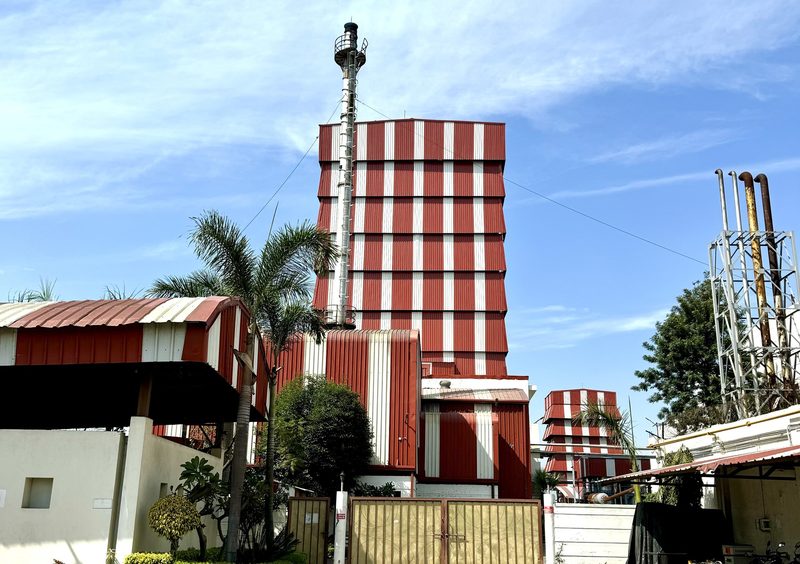
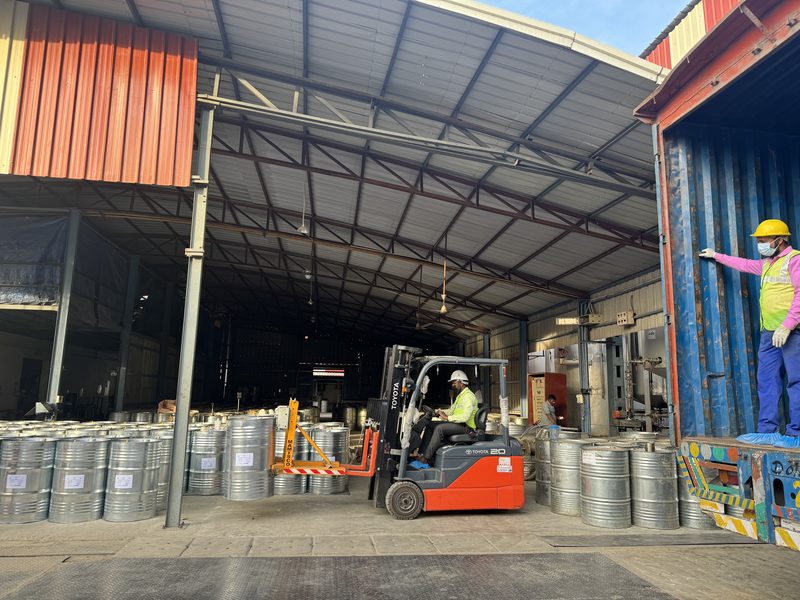
After cutting, the plant mass is left to dry overnight and then steam-distilled. The oil separates from the condensed water and is collected in drums; the spent plant material is dried and burned to fire the next batch. Conventional field units lose some oil as vapour escaping into the air. A cooling system that can be fitted to existing units reduces that loss and raises yield by at least 20–25%; N S Mint has been helping farmers adopt it (see Krishak Unnati Sammelan).
Why farmers call it liquid gold
Mint oil keeps, and it can be sold in any quantity at any time, so farmers hold it at home as savings and sell a little whenever they need cash. Many hold back part of the crop in the hope of better prices. Read more.
The pressure from synthetic menthol
Mint was once known for “minting money”. Over the past decade, cheaper synthetic menthol has taken demand away from natural menthol and kept mint oil prices low. Our field teams saw the area under mint fall by around a quarter in the 2023 season as farmers switched to other crops. Fewer farmers growing mint means a smaller, more volatile natural supply for everyone who needs it.
What keeps natural mint viable
- Lower growing costs: CSIR-CIMAP’s Kharif Mint Technology lets farmers grow mint in the monsoon, using rainfall for much of the irrigation.
- Higher oil recovery: better distillation practice and vapour-recovery cooling.
- Better varieties: higher-yielding varieties developed with institutes such as CSIR-CIMAP.
- Buyers who specify natural: every formula that asks for natural menthol, with proof of origin, keeps the crop in the ground. Natural vs synthetic menthol.
What it means for buyers
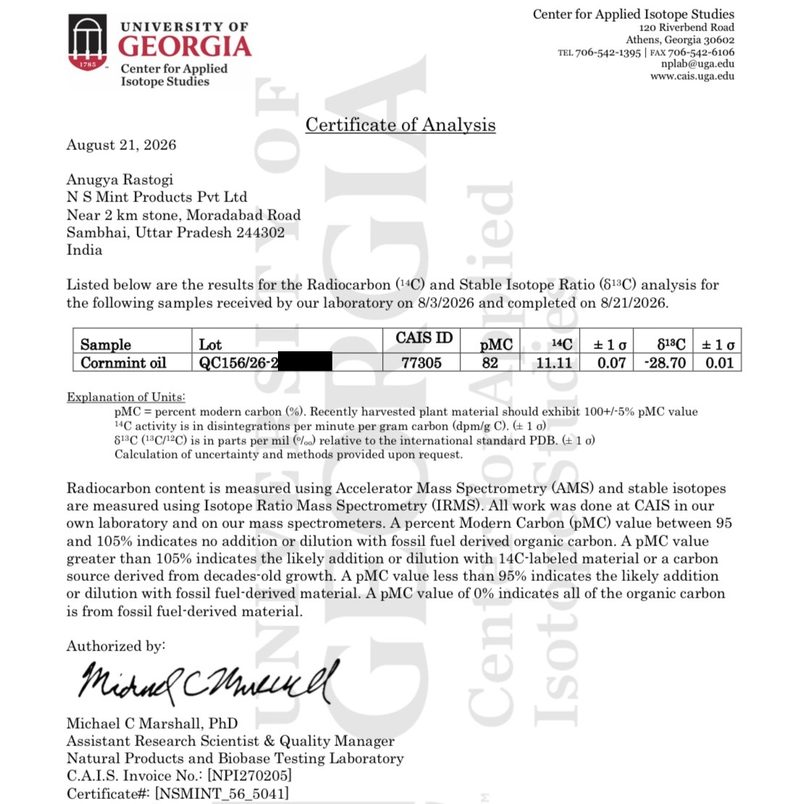
Mint oil prices follow the crop, the weather and farmer selling behaviour. N S Mint buys directly through five procurement zones from more than 5,000 partner farmers, hedges contracts when they are signed, and tests every incoming lot for natural origin, so the price and quantity you agree are what you receive. Request a quote.