
Minted by nature, in India's mint belt.
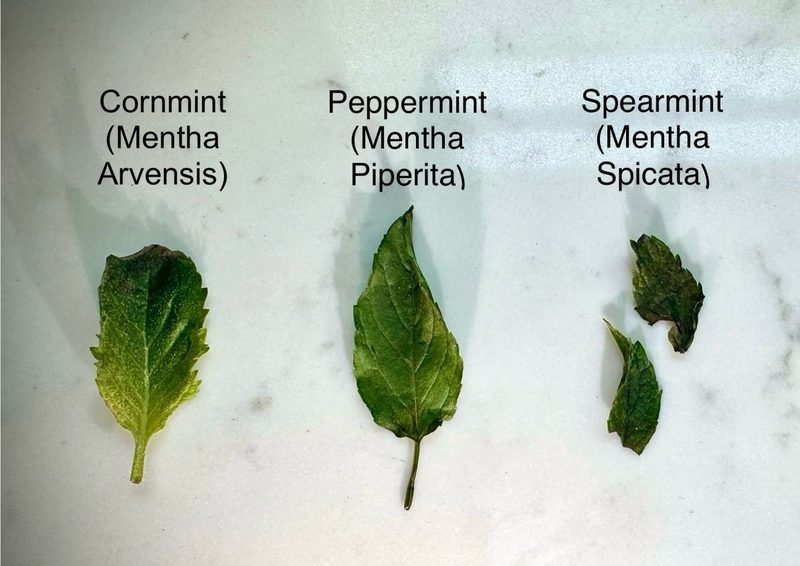
Uttar Pradesh grows most of the world's Mentha arvensis, and we buy it at source. We are the largest buyer of raw material from the Sambhal and Barabanki regions, with the strongest sourcing and quality-testing network in the belt: five procurement zones, more than 5,000 farmers, and every lot tested in Sambhal before it is accepted.
Why our supply doesn't break.
Mint is a commodity crop and its price swings. Four habits we have kept for thirty years are the reason what we agree is what we ship.
- 01We buy where it grows
Our five procurement zones sit inside the mint belt and our relationships there go back decades. We are the largest buyer of raw material from the Sambhal and Barabanki regions, so supply does not depend on traders or on any one district.
- 02We walk the crop every season
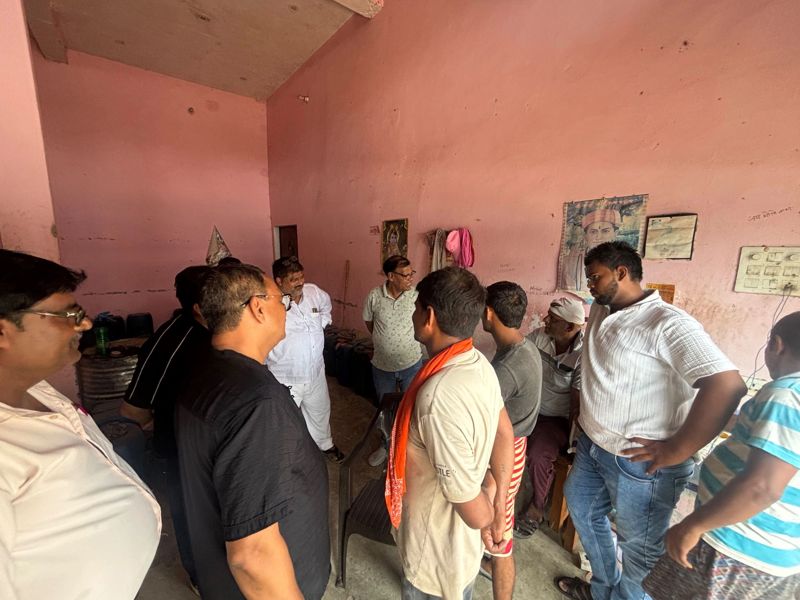
Each year our Managing Director visits the growing regions to meet farmers, vendors and distillers and see the crop for himself before we commit.
2026 crop visit - 03We hedge at signing
Price and quantity are locked the moment a contract is agreed, which shields customers from spikes and shortages. We have never missed a contracted delivery.
Supply security - 04We test before we accept
Every batch of raw material is radiocarbon-tested at the University of Georgia, USA. If a lot fails, it goes back to the supplier.
Our proof of purity

Keeping mint worth growing.
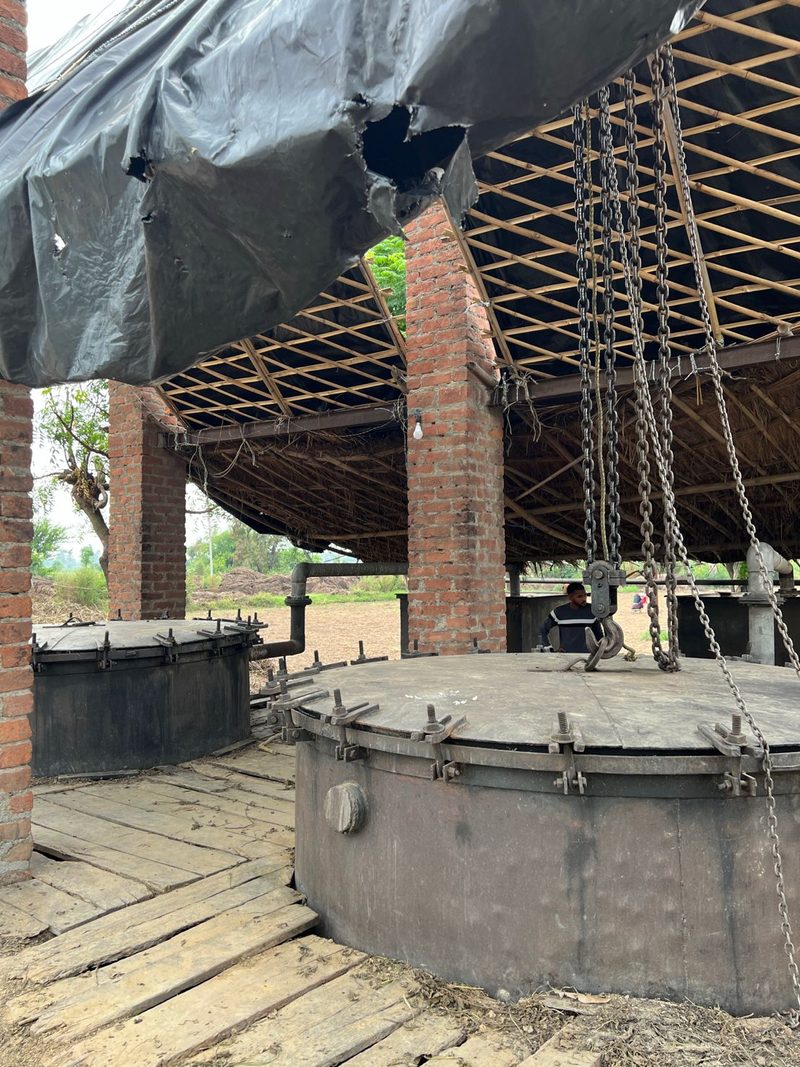
Natural mint only has a future if it pays to grow. Our teams are in the fields every season to advise on practice, and we bring growers together with scientists to share what works.

Our first farmer conclave put growers and science in one room: how to grow mint through the monsoon, which intercrops look after the soil, and how to get more oil out of every still.
Read about the Sammelan
Kharif Mint Technology grows mint through the monsoon, so the rain does much of the irrigating, with intercrops that keep the soil healthy and oil recovery high.

A cooling upgrade for field distillation units cuts the oil lost as vapour and lifts yield by 20–25%. We gifted the first one to a farmer in Basla who has grown mint since 1972.

In Uttar Pradesh's villages mentha oil works as savings, currency and a safety net. Choosing natural menthol over synthetic keeps that economy alive.