
Every drum of natural L-menthol starts as a field of cornmint (Mentha arvensis). India grows most of the world’s supply, much of it in the districts of Uttar Pradesh around our plant in Sambhal.
1. Growing the crop
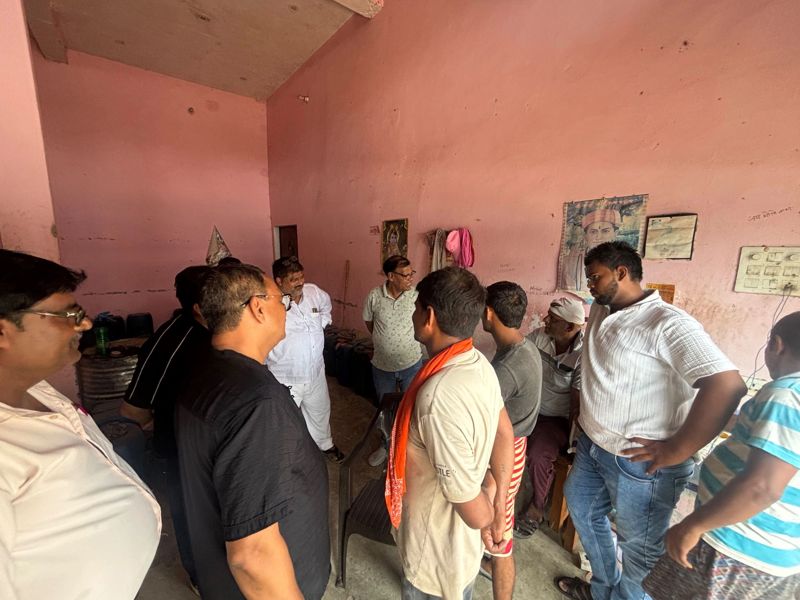
Farmers plant mint runners in late winter and harvest the leafy crop in early summer; in some areas a second, smaller cut follows. Our field teams work with more than 5,000 partner farmers, advising on agricultural practice and buying through five procurement zones in Sambhal, Kasganj, Barabanki and Ambedkar Nagar.
2. Field distillation
Freshly cut mint is left to wilt overnight and then steam-distilled in small units in or near the field. Steam carries the volatile oil out of the leaves; it condenses and separates from the water, and the spent plant material is dried and burned to fire the next batch. This crude mint oil is typically 70–80% menthol. A simple cooling upgrade that captures oil otherwise lost as vapour can raise a unit’s yield by 20–25%, and we help farmers adopt it. India’s mint crop.
3. Testing and refining
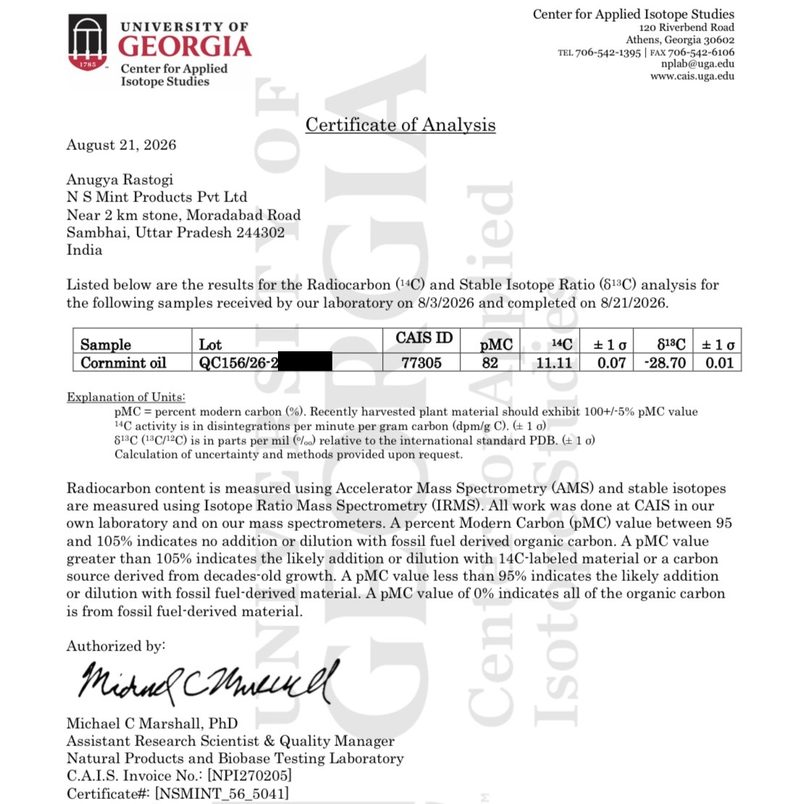
Each lot of oil is tested on arrival for menthol content and adulteration. In our plant it is filtered and, where needed, redistilled. Electronically controlled fractional distillation separates the menthol-rich heart from lighter terpenes and other fractions such as menthone.
4. Freezing out the menthol
The menthol-rich oil is chilled slowly in cold chambers. L-menthol crystallises as long needles; the liquid that remains is drained off. Crystals are centrifuged, washed and dried, then graded by size into bold, medium or rice crystals. Material that is not recrystallised becomes menthol powder or flakes.
5. By-products that become products
- Dementholised oil (DMO): the oil left after crystallisation, still containing about 30–45% menthol plus menthone and esters. A major flavour material in its own right.
- Mint terpenes: the light fraction removed to make terpeneless products, used in household fragrance and as a natural solvent.
- Mint fractions: menthone, menthyl acetate, neo-menthol and other natural aroma chemicals isolated by fractional distillation.
6. Release and packing
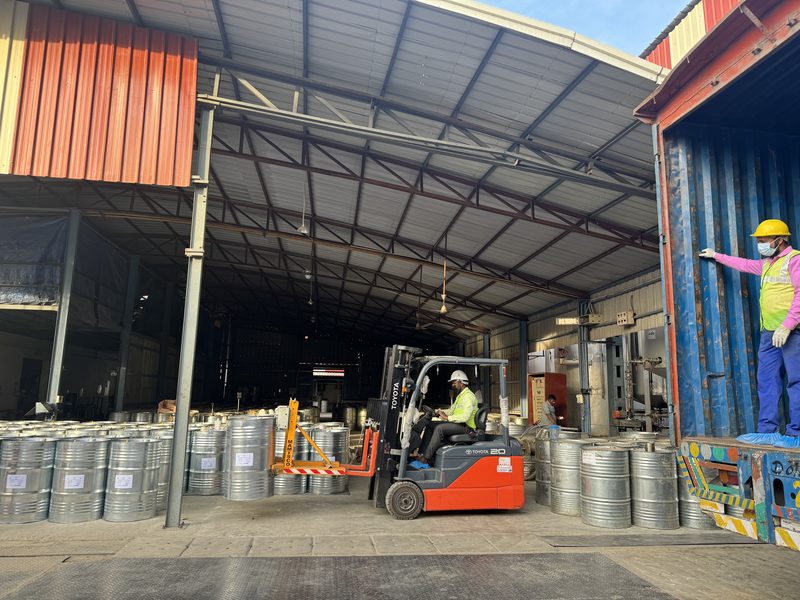
Finished goods are tested against the agreed specification or pharmacopoeia monograph and packed under chemist supervision in fibre drums with food-grade liners or in GI drums and aluminium cans.
From one plant in Sambhal we can handle 60 MT of raw material a day and produce up to 5,000 MT of menthol powder, 1,200 MT of menthol crystals and 1,200 MT of distilled mint products a year. See our manufacturing.