
A certificate of analysis (COA) is the test report for one lot of material. For L-menthol it answers three questions: is this menthol, is it the right isomer, and is it pure enough for your use? This guide walks through a typical COA line by line and gives the limits the main pharmacopoeias use.
Always work from the current edition of the monograph your customer or regulator specifies. The figures below come from published editions and are a guide, not a substitute for the monograph.
The header: identity and traceability
- Product and grade. For example “L-Menthol Crystals, USP”. The grade tells you which monograph the lot was tested against.
- CAS number. L-menthol is 2216-51-5 (EC 218-690-9). Racemic DL-menthol is 89-78-1. CAS 1490-04-6 means menthol without a stated isomer.
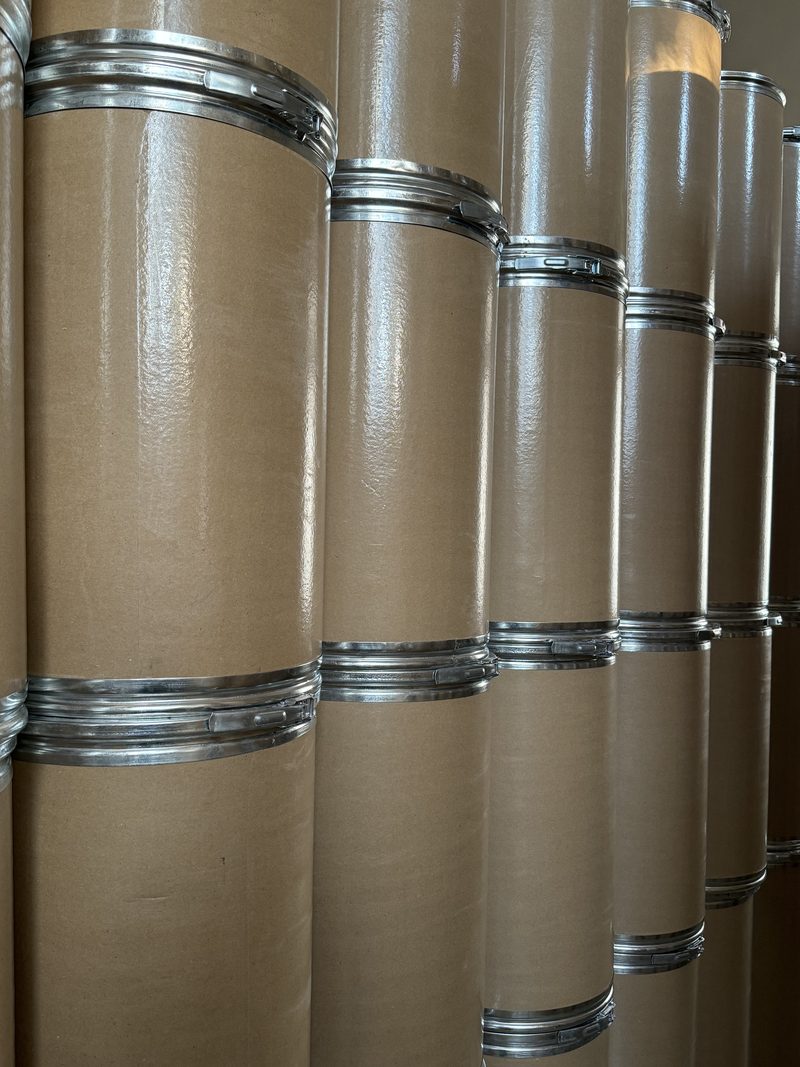
- Lot or batch number, manufacturing date and retest or expiry date. These must match the drum labels and your purchase order.
The tests and what they mean
| Test | What it tells you | Typical pharmacopoeia limit for L-menthol |
|---|---|---|
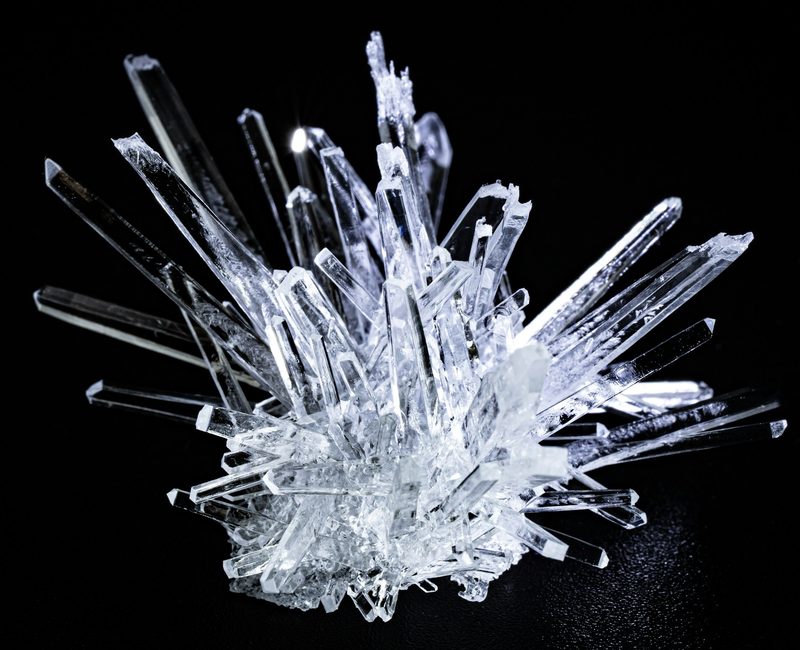
| Appearance | Colourless, shiny, needle-shaped or prismatic crystals | Description in the monograph |
| Identification | Confirms the material is menthol (often by IR spectrum) | Matches reference |
| Melting point | Pure L-menthol melts sharply; impurities lower and widen the range | About 43 °C (EP); 41–44 °C (USP); 42–44 °C (JP) |
| Specific optical rotation | Confirms the left-handed (L) isomer; racemic menthol reads near zero | −48° to −51° (EP); −45° to −51° (USP, JP) |
| Purity or assay (GC) | Share of menthol in the sample | EP: total impurities ≤1%; JP: assay ≥98.0%; some current USP-grade specifications state 98.0–102.0% |
| Residue on evaporation | Non-volatile matter left after the menthol evaporates | ≤0.05% (EP, USP) |
| Related substances | Other menthol isomers and impurities, by GC | Per monograph |
| Residual solvents | Solvents left from processing | Per ICH Q3C, where the monograph requires it |
Sources: European Pharmacopoeia monograph 0619 (Levomenthol), USP Menthol monograph, Japanese Pharmacopoeia XVIII l-Menthol.
Three things buyers often miss
1. The grade on the COA must match your specification. “Meets USP” and “meets EP” are not interchangeable: limits and methods differ. If you sell into several markets, ask for a COA that states each monograph and edition you need.
2. Optical rotation is your quick isomer check. A value near zero means racemic menthol, not L-menthol. Read L-menthol vs DL-menthol.
3. A COA proves purity, not natural origin. Synthetic L-menthol can pass every test on a standard COA. If you need natural menthol, ask for a C-14 radiocarbon certificate as well. India’s standard for natural menthol, IS 3134, requires 100% biobased carbon. C-14 testing explained.
Before you approve a lot
- Lot number on the COA matches the drums and the commercial invoice.
- Grade and monograph edition match your purchase specification.
- Every result is inside the limit, not just “complies”.
- The COA is signed or authorised by the manufacturer’s QC.
- For natural claims, a C-14 certificate for the raw material lot.
Every N S Mint lot ships with its COA, and our crystal section is approved by the Indian drug controller for pharmacopoeia grades. See our grades guide or request a sample and COA.