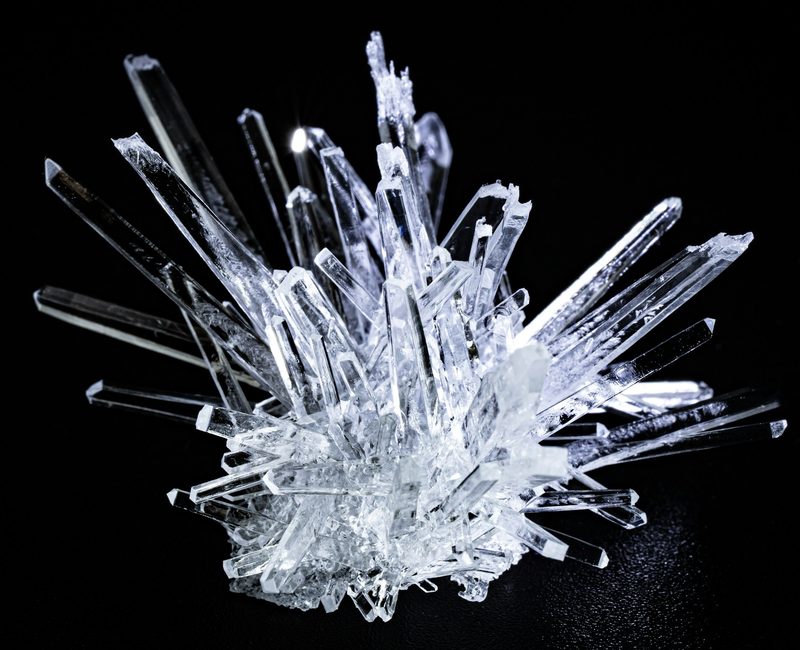

Pharmaceutical buyers rarely ask for “menthol”. They ask for menthol that conforms to a named pharmacopoeia, because that monograph is what their regulator audits. Natural L-menthol from N S Mint is certified to the Indian (IP), British (BP), European (EP), Japanese (JP) and United States (USP) pharmacopoeias, plus food grade. This guide explains what those labels mean.
Levomenthol versus racemic menthol
Menthol has three chiral centres, so it exists as eight stereoisomers. The one that gives the familiar strong cooling effect is (−)-menthol, also called L-menthol or levomenthol. Natural menthol frozen out of Mentha arvensis oil is essentially pure (−)-menthol.
Synthetic processes can produce either the single (−) isomer or racemic (DL) menthol, a 50:50 mix of (−) and (+) forms. Racemic menthol cools less strongly and smells slightly different. Several pharmacopoeias therefore keep separate monographs:
| Pharmacopoeia | Monographs | What it means for buyers |
|---|---|---|
| European (EP) and British (BP) | Levomenthol and Menthol, racemic | Specify Levomenthol for natural L-menthol |
| United States (USP) | Menthol (levo or racemic, labelled as such) | Ask for “USP, levorotatory” |
| Japanese (JP) | l-Menthol and dl-Menthol | Specify l-Menthol |
| Indian (IP) | Menthol | Confirm optical rotation on the COA |
What the monographs test
The exact limits differ by edition, but a levomenthol monograph typically checks:
- Identity, by infrared spectrum or by comparing with a reference standard
- Specific optical rotation, which confirms the levo form; for USP levomenthol it is −45° to −51°
- Melting range, around 41–44 °C for L-menthol
- Related substances or chromatographic purity by gas chromatography, limiting isomers such as neomenthol and isomenthol and other impurities
- Residue on evaporation or non-volatile residue
- Assay, the percentage of menthol present
Always buy against the current edition named in your dossier and ask your supplier to state that edition on the Certificate of Analysis.
Food and cosmetic grades
Food use is governed by food law rather than pharmacopoeias. In the United States, menthol is listed by FEMA (number 2665) as generally recognised as safe for flavour use. In the EU, natural menthol used as a flavouring falls under Regulation (EC) 1334/2008. For cosmetics in the EU, L-menthol must be REACH-registered by the importer or the non-EU manufacturer’s only representative; N S Mint supplies L-menthol in compliance with REACH.
Which grade should you specify?
- Medicines (balms, lozenges, syrups, inhalants): the pharmacopoeia your marketing authorisation cites.
- Oral care and confectionery: food grade is enough unless your product is registered as a medicine; many buyers still choose USP or BP for the tighter impurity limits.
- Tobacco and oral nicotine: food grade or USP, depending on customer specifications.
- Cooling cosmetics: food grade or BP/EP levomenthol with REACH documentation.
How N S Mint certifies grade
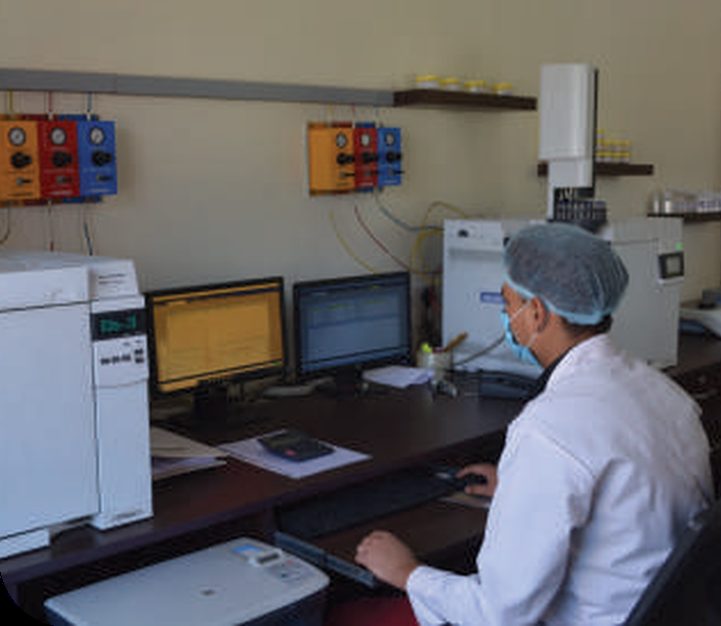
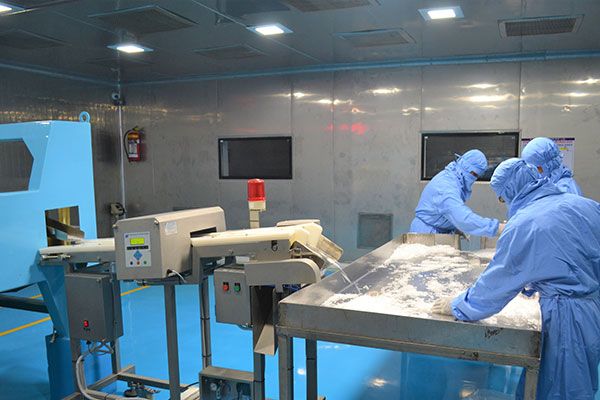
Our crystal section is approved by the Indian drug controller for pharmacopoeia grades, and every batch is tested in our finished-goods laboratory. The COA states the monograph and edition you specify. See L-Menthol Crystals or request a COA and sample.